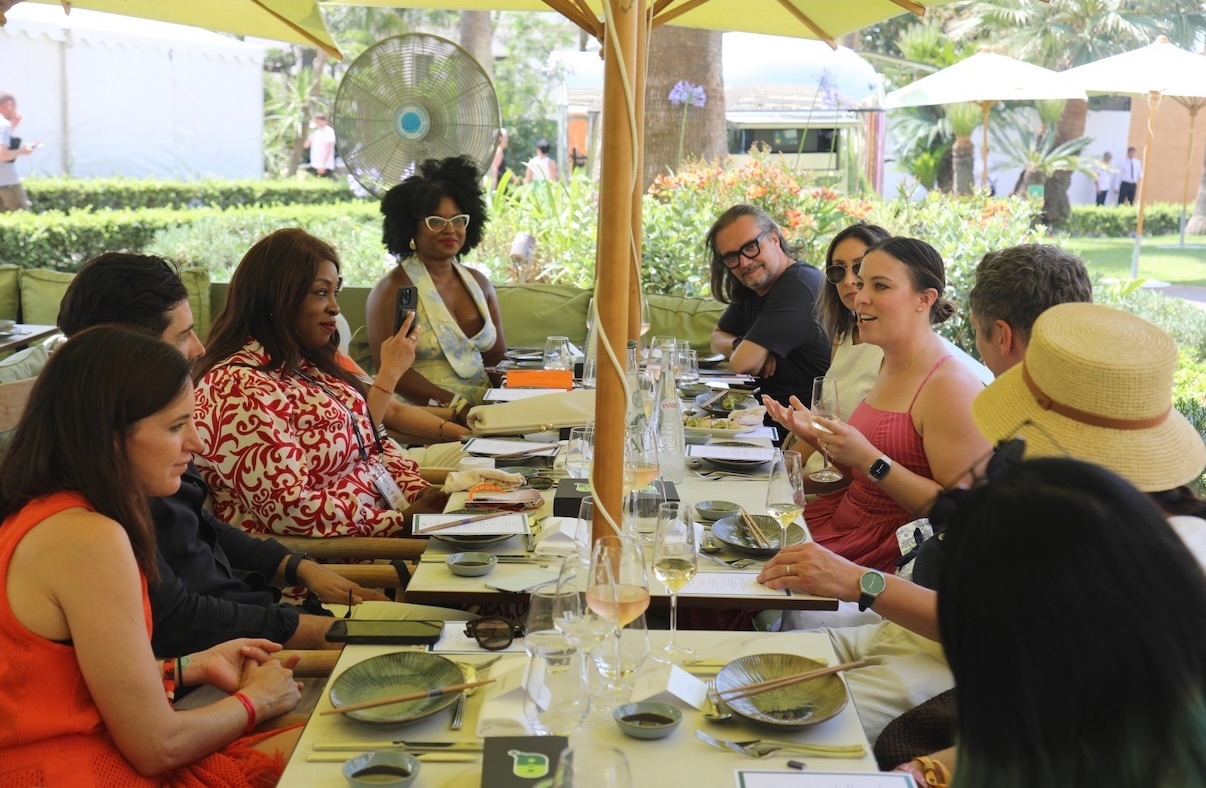
This year at Cannes, two themes kept rising to the surface 1.) creators and 2.) human connection.
Yes, there was plenty of tech talk. Martech companies were everywhere along La Croisette, and AI was part of nearly every conversation. But in the panels, private rooms, lunches, and side conversations, CMOs kept coming back to the people powering their brands.
That may not sound like the flashiest headline, especially in an industry that is constantly chasing the next piece of technology. But it was the most important one. The CMOs leading today’s brands understand the role emerging technology will play. Still, the clearest theme of the week was not just emerging tech. It was emerging voices, especially creators, and the role they now play in helping brands build cultural relevance.
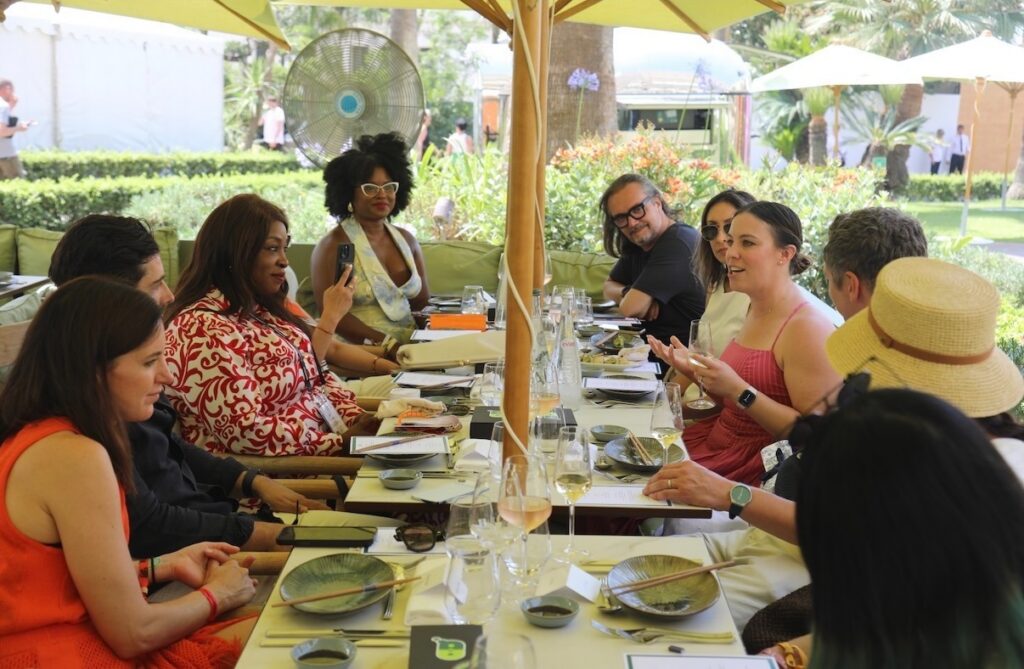
This year, many of the most meaningful CMO conversations shifted off La Croisette. They were happening in more intimate settings like curated rooms and smaller gatherings where leaders could speak more candidly.
What surprised me most was that these conversations were not centered on the best campaigns or the most awarded work. They focused instead on the evolution of creativity itself, and how the work actually gets made.
CMOs talked openly about the tech stacks enabling new workflows, the cross-disciplinary partners now involved, and the organizational structures marketing teams are rethinking across industries. They also shared the risks they are taking, the questions they are wrestling with, and the things keeping them up at night. The brands trying to make the largest impact aren’t afraid of taking risks.
Here are my top 5 takeaways from a week spent surrounded by the conversations shaping our industry:
1. We Are In The Era Of Brand, And Creators Are Helping Build It
As many industry headlines indicated, creators had a larger presence at Cannes this year, and they are now more deeply embedded in the agency and brand marketing matrix than ever before. Brands are turning to creators not only to reach new audiences, but to build more meaningful relationships with them.
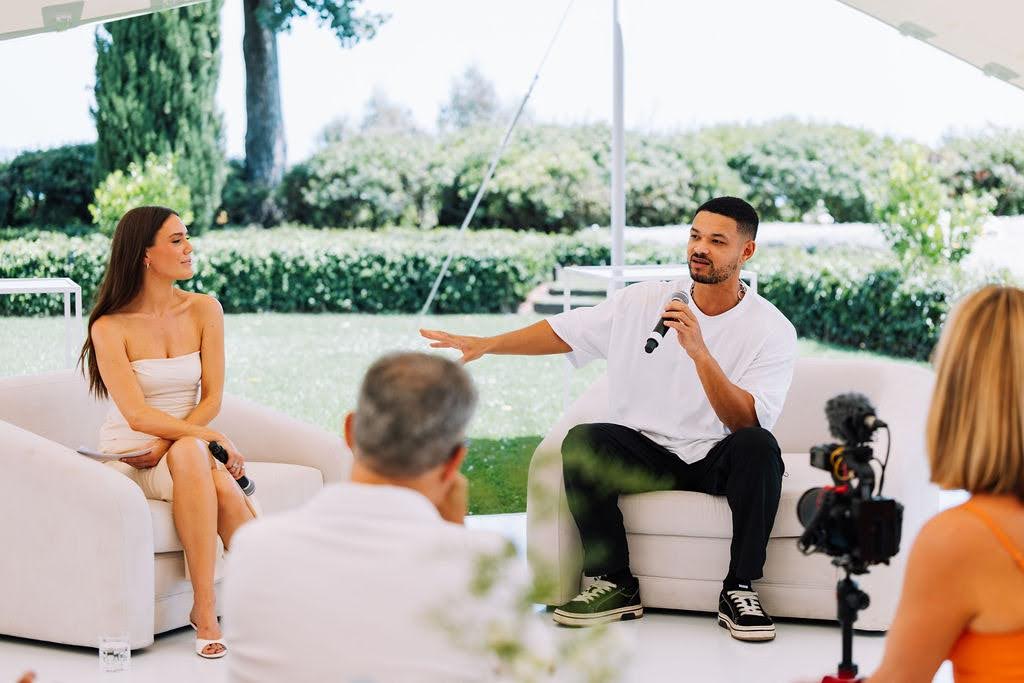
One of the clearest takeaways from the week came during a talk hosted by Steven Bartlett, founder of The Diary of a CEO. Around the table, leaders traded questions and perspectives on the creator economy and where it is headed next.
We are re-entering an era of brand, and creators have become essential to building one. And, owning the audience relationship matters more than simply renting attention. Because of that, creator partnerships are moving beyond one-off campaigns and becoming part of the DNA of what a brand stands for. Which brands need to know what they stand for.
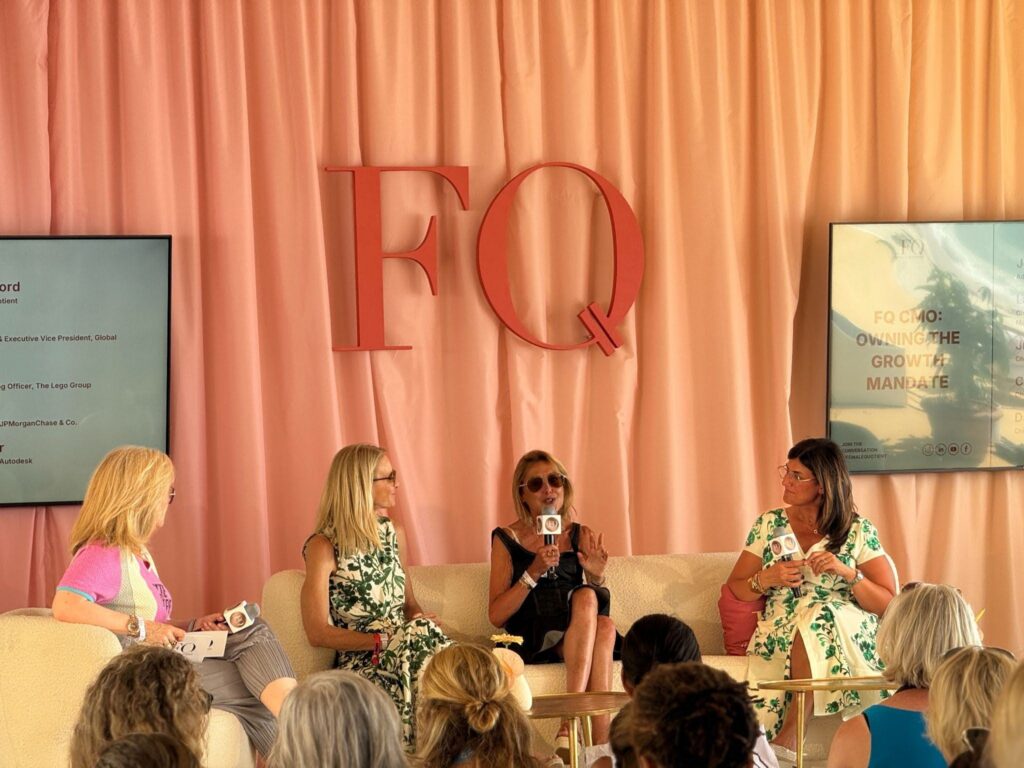
The creator theme continued at the Female Quotient Beach, where Dara Treseder of Autodesk said, “The biggest risk a marketer can take today is handing your brand to a creator, and that risk is exactly where the growth is.”
She shared this during the “CMOs Owning the Growth Mandate” panel alongside Carla Hassan of JPMorganChase and Julia Goldin of The LEGO Group.
At TSL, we have long seen the value of co-creating campaigns with creators. Best-in-class creator integration invites creators into a brand’s creative process, not just using them as a media channel for reach.
2. AI Can Scale Content, But Brands Still Needs A Point Of View
Creators are one way into culture. New ways of creating content at scale are another.
One of the most useful sessions of the week was “The Authenticity Paradox,” featuring Hannah Elsakr, VP of GenAI New Business Ventures at Adobe.
Brands are being asked to produce more content than ever, while working with flat or declining budgets. But the brands that are winning are not simply the ones using the most generic AI tools. They are the ones building systems, workflows, and models that are deeply tuned to their own brand DNA.
To scale content authentically, technology has to be shaped around the brand. It needs the right parameters, guardrails, and creative inputs. AI can help scale a brand’s point of view, but it cannot replace the need for one.
Creativity still needs a human perspective. The opportunity is to use technology to scale your own, not someone else’s.
3. Cultural Relevance Is Becoming A Business Metric
The question underneath all of this is simple: what does it actually mean for a brand trying to connect with new and emerging audiences?
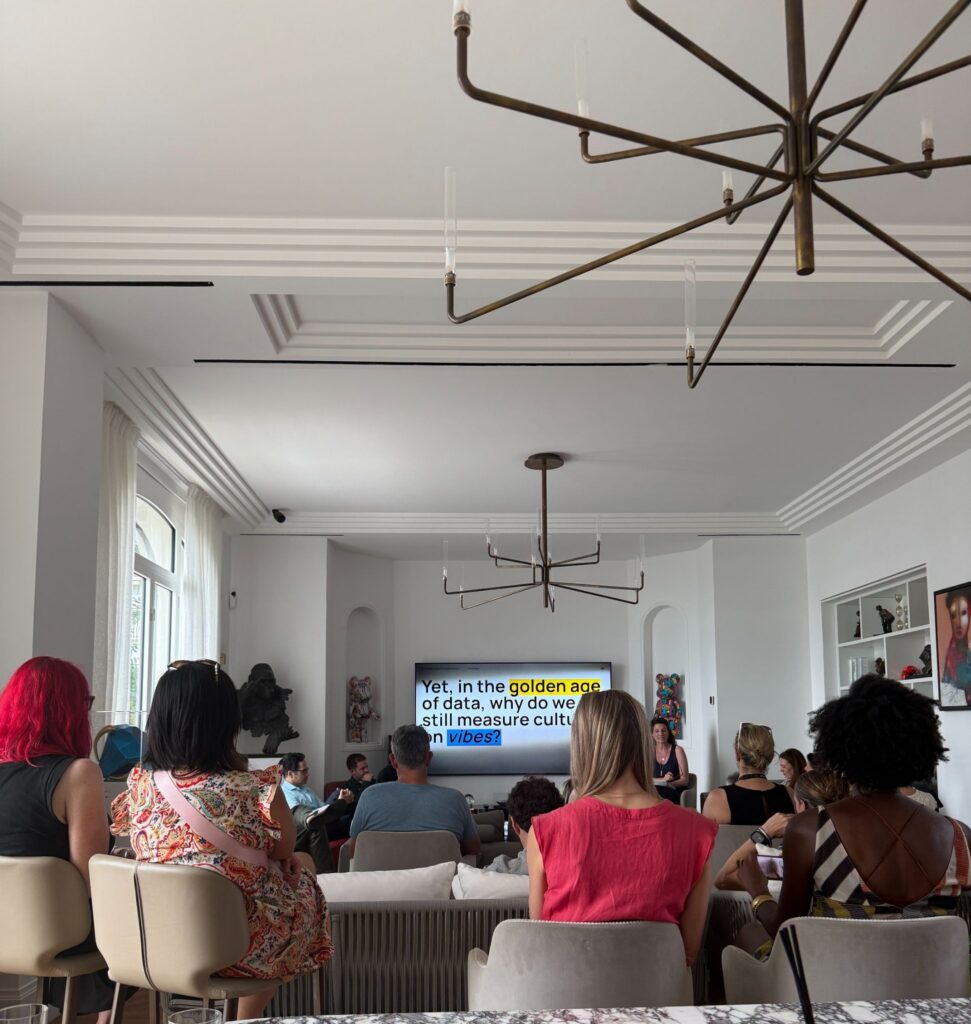
That clicked for me during a CultureLab session with media analyst Doug Shapiro and Jed Hallam, founder of CultureLab. Their presentation, “The Business Case for Cultural Relevance,” explored the relationship between cultural equity and market valuation.
The research shows that culturally relevant brands are not necessarily the ones spending the most on media. They are the ones creating content that resonates with consumers (and ahem, prioritizing social.) Over time, this strategy contributes to stronger business value. Their CultureEquity Score found that culturally relevant brands are three times more valuable than those that are not. In other words, spending more money making ads and buying media plans is not the growth driver. Cultural relevance is.
That is why, at TSL, we use social data and key metrics to connect the relevance and resonance of content back to business value. The goal is not to do more with less and measure performance on vibes. The goal is to understand what is actually moving people, shaping perception, and building equity over time.
4. Social-First Is No Longer A Specialty Lane
This one is no surprise to us, rather an affirmation of the space we occupy. Social agencies are becoming more creative, more creator-fluent, and more intelligent. That combination is positioning agencies like ours to take on bigger, more strategic briefs.
Social-first influence, social-first insights, and social-first creative are no longer a specialty lane. They are becoming central to how modern brands are built. This is the ground we’ve firmly stood on since day 1.
And even after being in business for 15 years, we can attest to the fact that nobody has it all figured out. What we share is the instinct to build community, push the industry forward, and keep learning from each other.
5. Building Brand Equity Means Investing In Social Capital
For anyone in our industry, this is a critical moment to build brand equity instead of simply buying attention.
At The Social Lights, we are focused on the ways brands can invest in social capital to build equity that compounds over time. That may mean adding creators more intentionally into the marketing mix, tailoring technology to scale content without losing brand identity, or designing new ecosystems across agency, brand, platform, and creator partnerships.
What we measure matters. And as Cannes made clear, cultural relevance is not just a creative ambition. It is a growth driver.
The brands that understand that will be the ones that do more than show up in culture. They will help shape it.