Employee-led content is becoming one of the most compelling resurgences in digital marketing. In recent years, more employees have taken to social to show how products work, explain what their companies actually do, and give audiences a view from inside the brand.
Social media made this shift possible, but AI is accelerating its value. As AI becomes more deeply integrated into social media and the everyday workplace, human perspective has become a premium asset. Brands are using employee-led content to humanize their presence, expand organic reach, and build genuine community.
But the opportunity is not as simple as telling employees to start posting. To cut through the noise, brands need a clear strategy that gives employees the support, guardrails, and creative freedom to show up credibly.
Why Audiences Prefer People Over Logos
Peer trust now plays a major role in how purchasing decisions are made. Word of mouth no longer happens only between friends; it unfolds in comment sections, DMs, group chats, LinkedIn feeds, and TikTok videos. People routinely research products and companies online before making a decision, and employee-led content can add a credible voice to that process.
Employee advocacy helps employees amplify a brand’s message. Employee-led content goes a step further by allowing employees to shape that message in their own voice. When that voice feels genuinely human, the likes, comments, and shares that follow can improve organic distribution and carry the brand into networks its official channels may never reach.
Higher engagement: People are more likely to engage with product knowledge or company insight when it comes from someone with direct experience, rather than a faceless brand account.
Expanded reach: Employee posts travel through personal and professional networks, introducing the brand to audiences beyond its existing follower base. In a B2B context, that can be especially valuable on LinkedIn, where employees often have more relevant and trusted networks than the company page alone.
Perfection is optional: Lower production value can increase credibility. Employee-led content does not need to look like a campaign; it needs to feel specific, useful, and true to the person sharing it. As feeds fill with more polished and AI-assisted content, that human specificity matters even more.
What Employee-Led Content Looks Like In Practice
This is showing up in two distinct ways:
- individual employees building their own social presence
- Brands creating dedicated accounts centered on employees and internal culture.
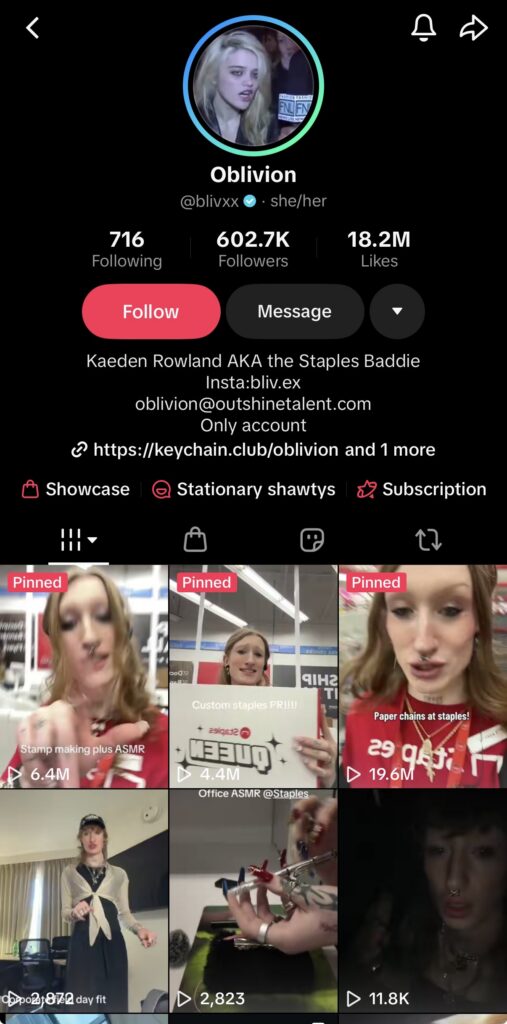
Kaeden Rowland, aka the “Staples Baddie”: In early 2026, Staples print specialist Kaeden Rowland began sharing TikToks about little-known services, from custom mugs to direct mail. One video neared 7 million views, and Staples later reported measurable increases in store traffic and lifts for products featured in her posts. Her content worked because it translated real product knowledge into a format that felt native to TikTok, not because it followed a polished brand script.
Brandon Nguyen, Coach: As a Coach retail employee, Brandon built an audience by giving viewers a front-row look at new bags, styling details, and product drops. His content pairs genuine enthusiasm with firsthand product expertise, making the account feel more like a trusted recommendation than a traditional sales pitch.

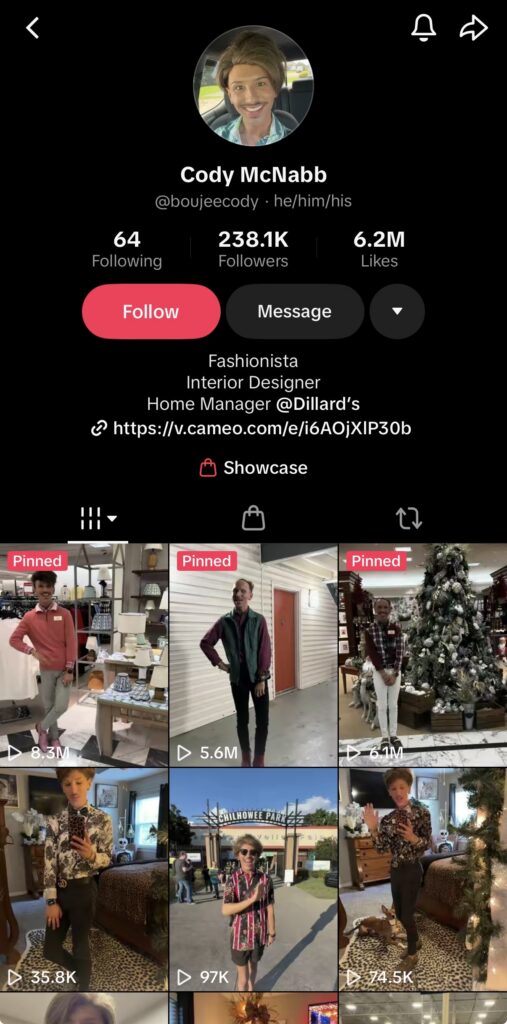
Cody McNabb, Dillard’s: The home department manager went viral in late 2025 with detailed tours of his store’s holiday displays, with one video surpassing 4 million views. His success proved that frontline employees can be some of a brand’s strongest storytellers when their expertise and personality are allowed to lead.
Rather than waiting for an individual viral moment, some brands are formalizing the approach through dedicated employee-led channels:
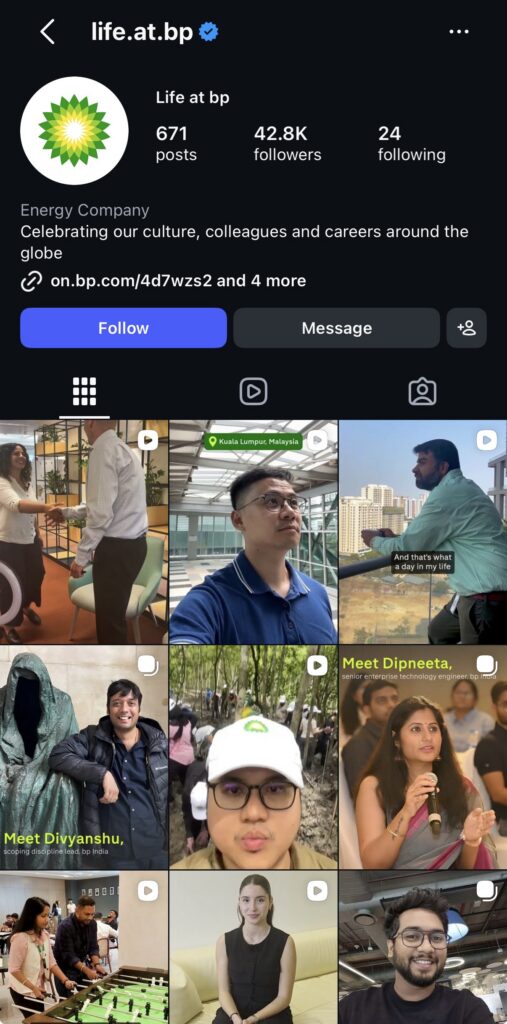
BP, Life at BP: Employee introductions, day-in-the-life content, and stories that show what different roles and workplace experiences actually look like.
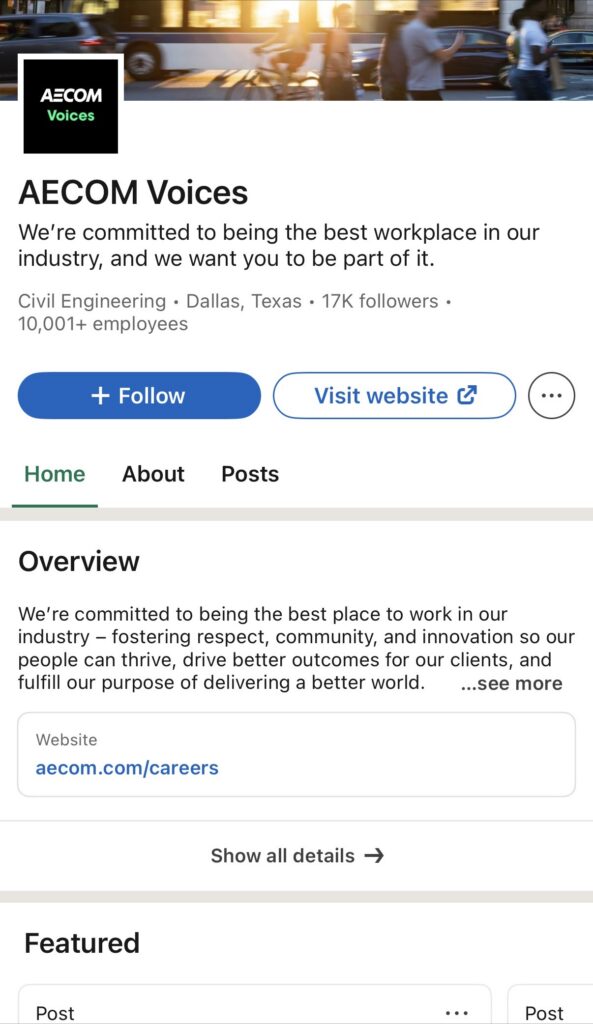
AECOM Voices: Employee stories, corporate events, projects, and community engagement across a dedicated employer-brand account.
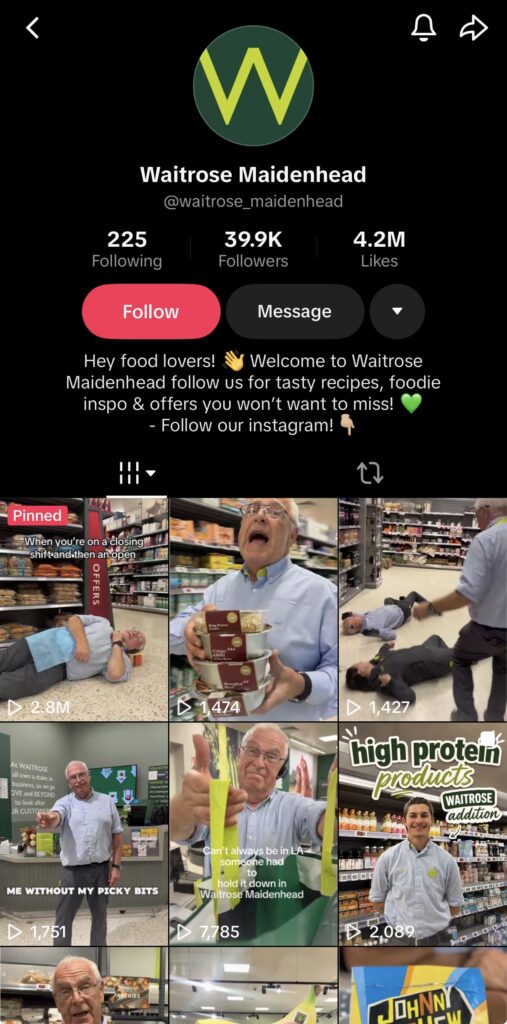
Waitrose Maidenhead: Trend-led, funny, product-focused videos starring employees from a single store, proving that a local team can build an audience without mimicking the national brand account.
What This Means For Brands
Employee-led content is not a replacement for brand content. It is the additive social proof brand content often lacks. A brand can say what it stands for, but employees show what that looks like in practice. That credibility is social capital, and when supported well, it can compound into brand equity.